Legends of Mahashivratri: Stories That Inspire Devotion

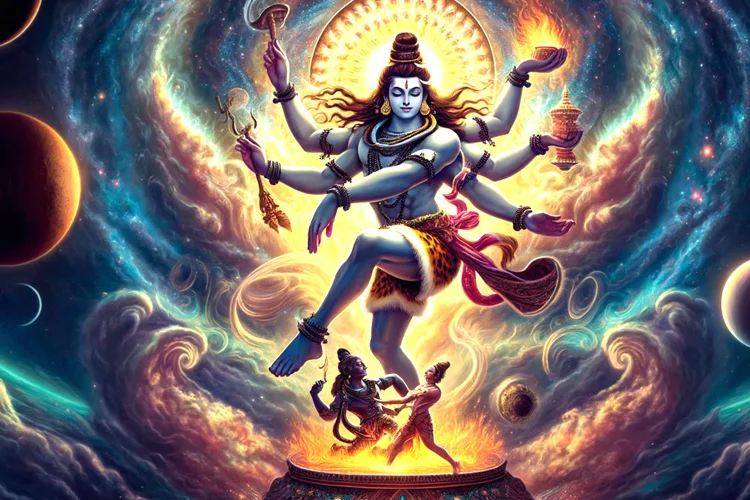
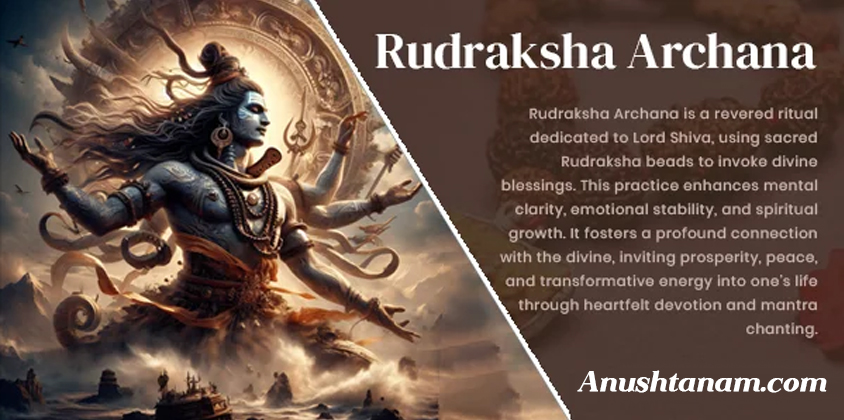
On Mahashivratri, it is believed that Lord Shiva performed the Tandava, the cosmic dance of creation, preservation, and destruction. This dance represents the eternal cycles of the universe and reminds devotees of the impermanence of life and the presence of divine consciousness.
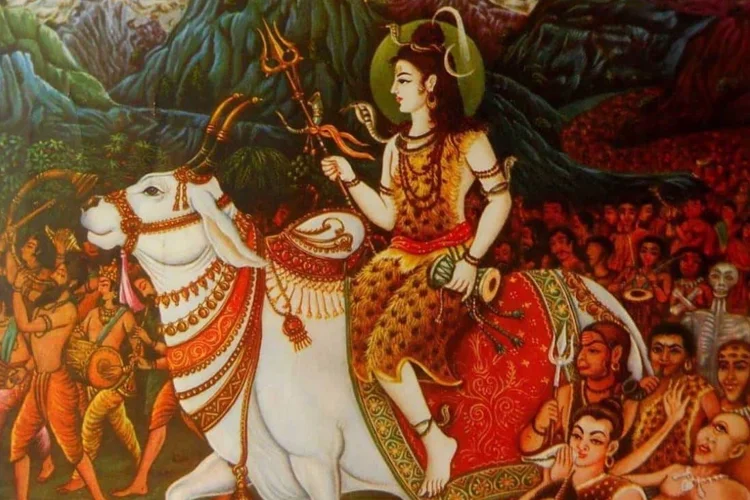
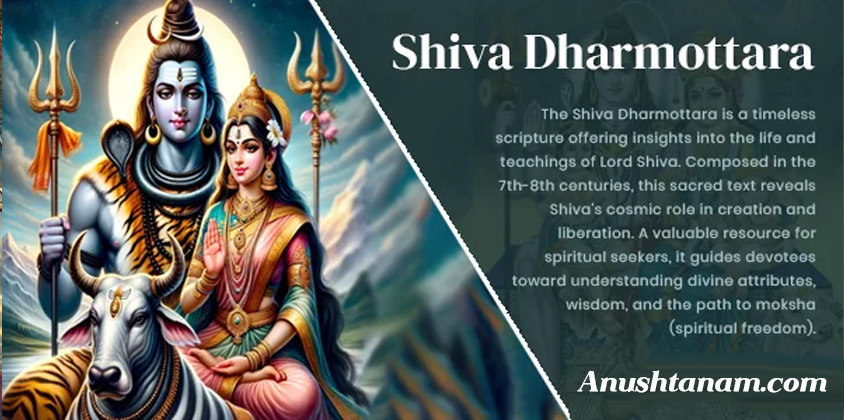
According to legend, Mahashivratri marks the auspicious day when Lord Shiva united with Goddess Parvati. Their celestial marriage signifies the merging of Shiva (pure consciousness) and Shakti (divine energy), highlighting the harmony of masculine and feminine principles in the cosmos.
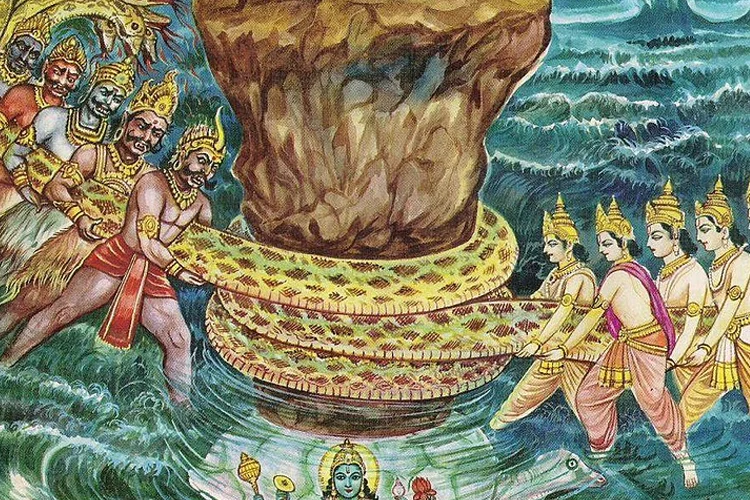
During the churning of the ocean by gods and demons, a lethal poison called Halahala emerged, threatening to destroy the universe. Lord Shiva, out of compassion, consumed the poison and held it in his throat, turning it blue and earning the name Neelkanth. Mahashivratri commemorates his selfless act of saving creation.
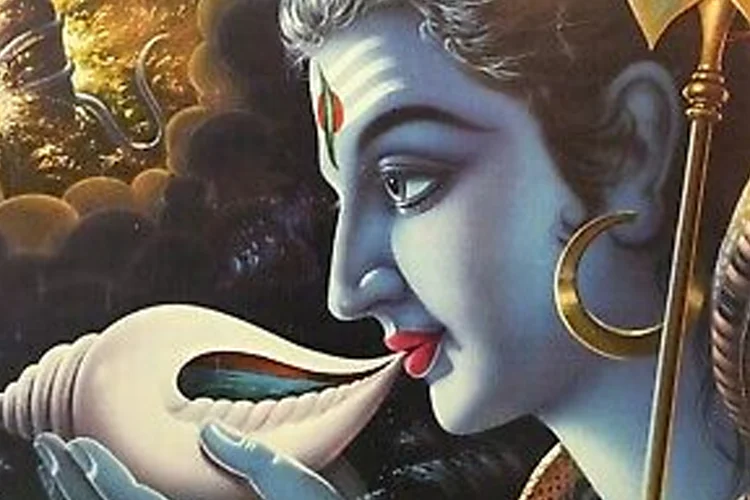
A humble hunter unknowingly worshipped a Shiva Lingam by offering water and bael leaves while resting atop a tree. Pleased with his sincerity, Lord Shiva granted him liberation. This legend teaches that true devotion, even performed unknowingly, earns divine grace.
Mahashivratri falls on the 14th day of the lunar month of Phalguna (February-March). The most auspicious time to observe the fast is during Nishita Kaal, the midnight period when cosmic energies are at their peak.
It is ideal to start the fast at sunrise and continue until the next morning, maintaining a state of prayer and meditation throughout the night.
Take a purifying bath early in the morning and wear clean, preferably white clothes.
Make a sincere vow to observe the fast with devotion and purity.
Refrain from consuming grains, pulses, and non-vegetarian food. Opt for fruits, milk, and water.
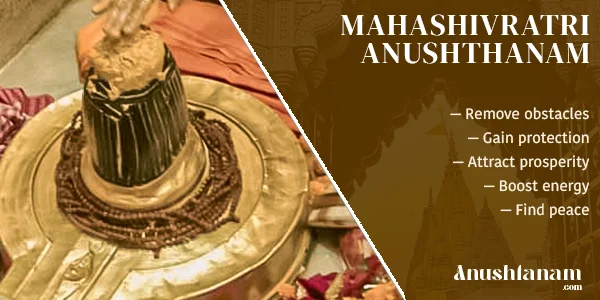
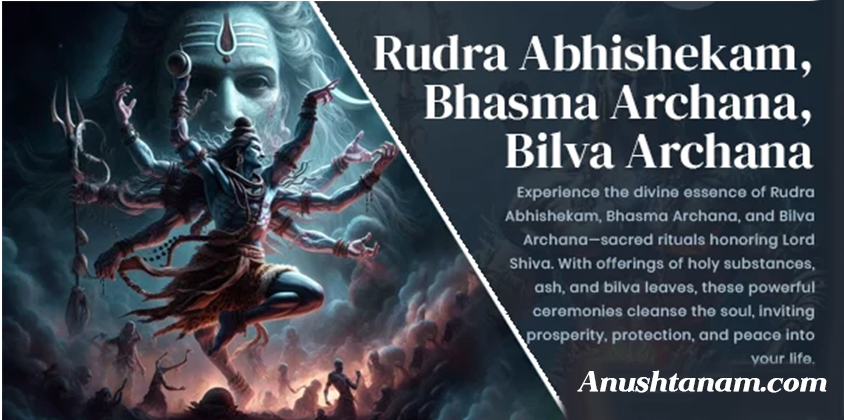
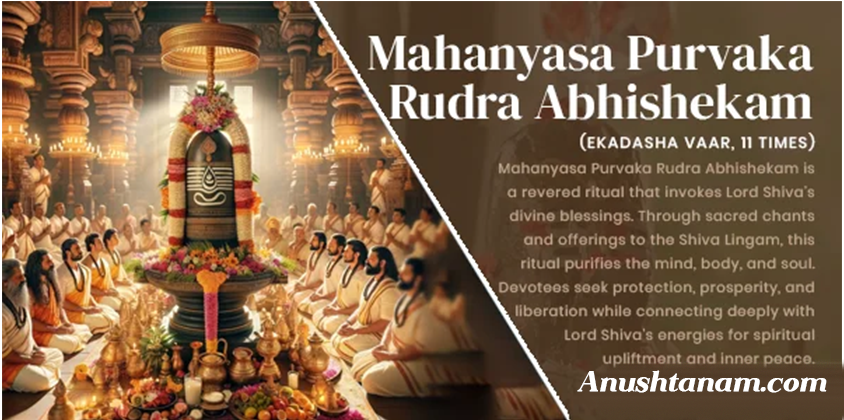
Perform Rudra Abhishekam by offering water, milk, honey, and bael leaves to the Shiva Lingam.
Recite the "Om Namah Shivaya" mantra continuously to maintain spiritual focus.
Stay awake through the night (Jagran), meditating and listening to Shiva Katha (stories).
Conclude the fast the next morning by offering prayers and consuming sattvic food.
The cosmic dance reflects the transient nature of life and the eternal presence of divine power.
Symbolizes sweetness and harmonThe marriage of Shiva and Parvati symbolizes balance and unity in all aspects of existence.y in life.
Shiva's consumption of poison highlights selflessness and protection for the greater good.
The hunter's story emphasizes that sincere worship, even without elaborate rituals, is accepted by the divine.
At Anusthanam, we bridge the gap between you and sacred rituals, providing personalized pooja services conducted by experienced Vedic Brahmins. Upholding Vedic traditions, we ensure accessibility and authenticity, connecting you with divine blessings, no matter your location, through our convenient and secure online platform.